Captive Collective
Exploring the people, perspectives, and decisions behind successful captive insurance programmes.

Featuring:
Colin Chapple
From Obligation to Opportunity: How Glencore Turned Its Captive into a Strategic Advantage
When Colin Chapple first entered the insurance industry, there was no career plan. Fresh out of school in the UK, he walked into office buildings in London’s financial district asking a simple question: “Have you got any jobs?” He eventually secured a role in the post room of an insurance organisation, delivering mail across the office long before emails became the norm.
More than three decades later, that chance opportunity has led Colin to become Head of Global Insurance at Glencore, where he oversees the insurance strategy of one of the world’s largest natural resource companies.
Growing alongside the business
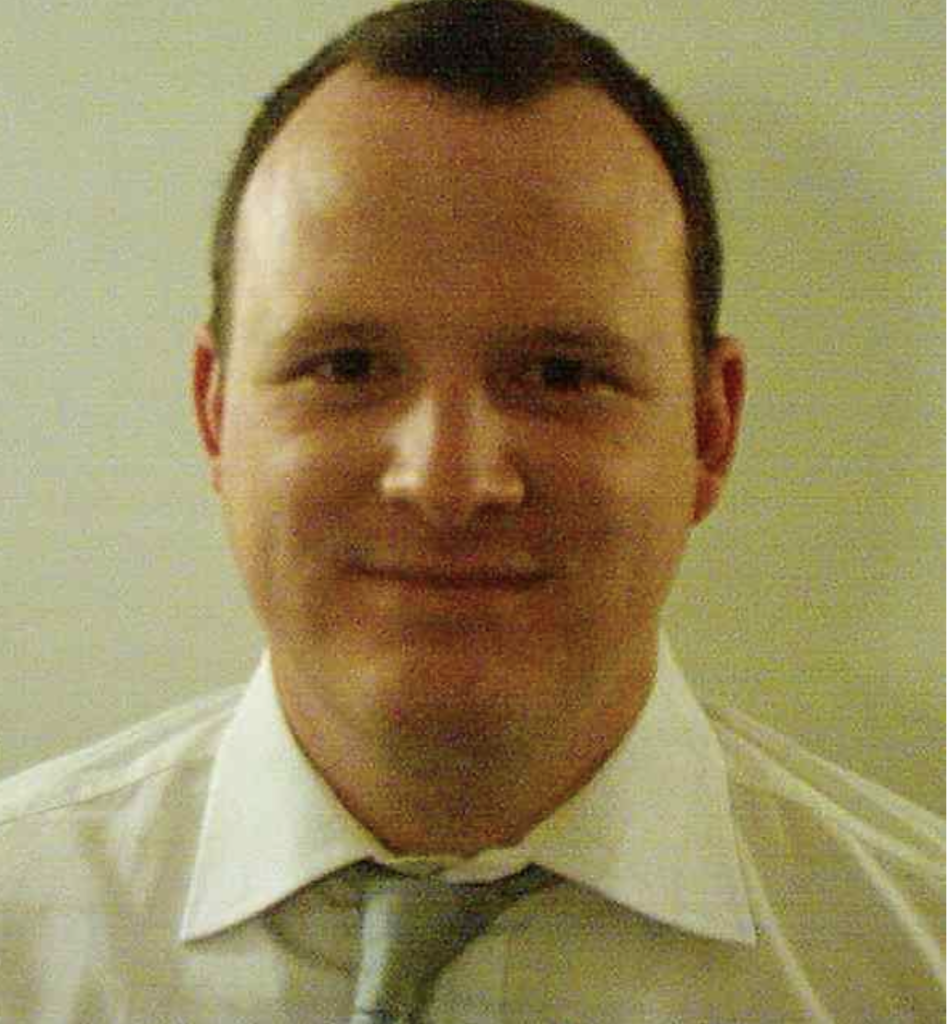
Having spent over 25 years at Glencore, Colin has seen the organisation undergo significant change.
When he joined, Glencore was still a privately owned Swiss commodities business, relatively unknown outside the industry. Its subsequent public listing in 2011 and the acquisition of Xstrata in 2013 dramatically expanded both its global footprint and risk profile, requiring its insurance strategy to evolve alongside the business.
For Colin, one of the company’s defining strengths has been its entrepreneurial culture.
“We’re empowered to make decisions,” he explains. “That freedom gives people the opportunity to genuinely move the business forward.”
An inherited captive that changed everything
Unlike many organisations that establish captives through years of planning, Glencore inherited its Singapore captive following its acquisition of Xstrata in 2013. At the time, the insurance team was uncertain how the captive would fit into its overall strategy.
“Our approach before that was really to buy everything we could from the commercial insurance market. It wasn’t about retaining risk,” says Colin.
Initially viewed as something they simply had to manage, it gradually became a strategic tool that reshaped how Glencore evaluated risk across the organisation.
Today, the captive participates in virtually every major insurance programme across the Group, covering multiple lines including property, marine, cargo, liability, casualty, professional indemnity and employee benefits.
More importantly, Colin says the conversation has fundamentally changed.
“When a new operation or new risk comes into the business, the question is no longer whether it belongs in the captive. Instead, we ask: what value can the external insurance market bring that we can’t achieve ourselves through the captive?”
Beyond transferring risk
For Colin, a captive should never be viewed simply as another insurance vehicle. Instead, it should support broader business objectives by enabling organisations to better understand, retain and manage their own risks.
He believes that captive owners should continually challenge their assumptions and ensure their captive strategy continues to align with the organisation’s changing risk profile.
“Think long and hard about what your target is and why you want to do this. Then constantly revisit whether the strategy you set out two or three years ago is still the right one for the business,” he advises.
Learning from the captive community
As captive insurance continues to gain momentum across Asia-Pacific, Colin believes industry forums have an increasingly important role to play.
Reflecting on the rapid growth of the Singapore Captive Insurance Association (SCIA), he says collaboration between captive owners is essential for advancing the industry.
“Participation is key,” he says. “Forums like these allow organisations to learn from one another, hear different approaches to managing risk, and take those ideas back to improve their own programmes.”
For captive owners navigating increasingly complex risks, that willingness to share knowledge may prove just as valuable as the captive itself.
Colin’s journey reflects an important lesson for captive owners today –– a captive is not merely an insurance vehicle, but a strategic asset that should evolve alongside the business. As organisations face an increasingly complex risk landscape, those that continually reassess their strategies, adapt to change and challenge conventional thinking will be best placed to unlock the full potential of their captive programmes.
Become Our Next Featured Captive Owner